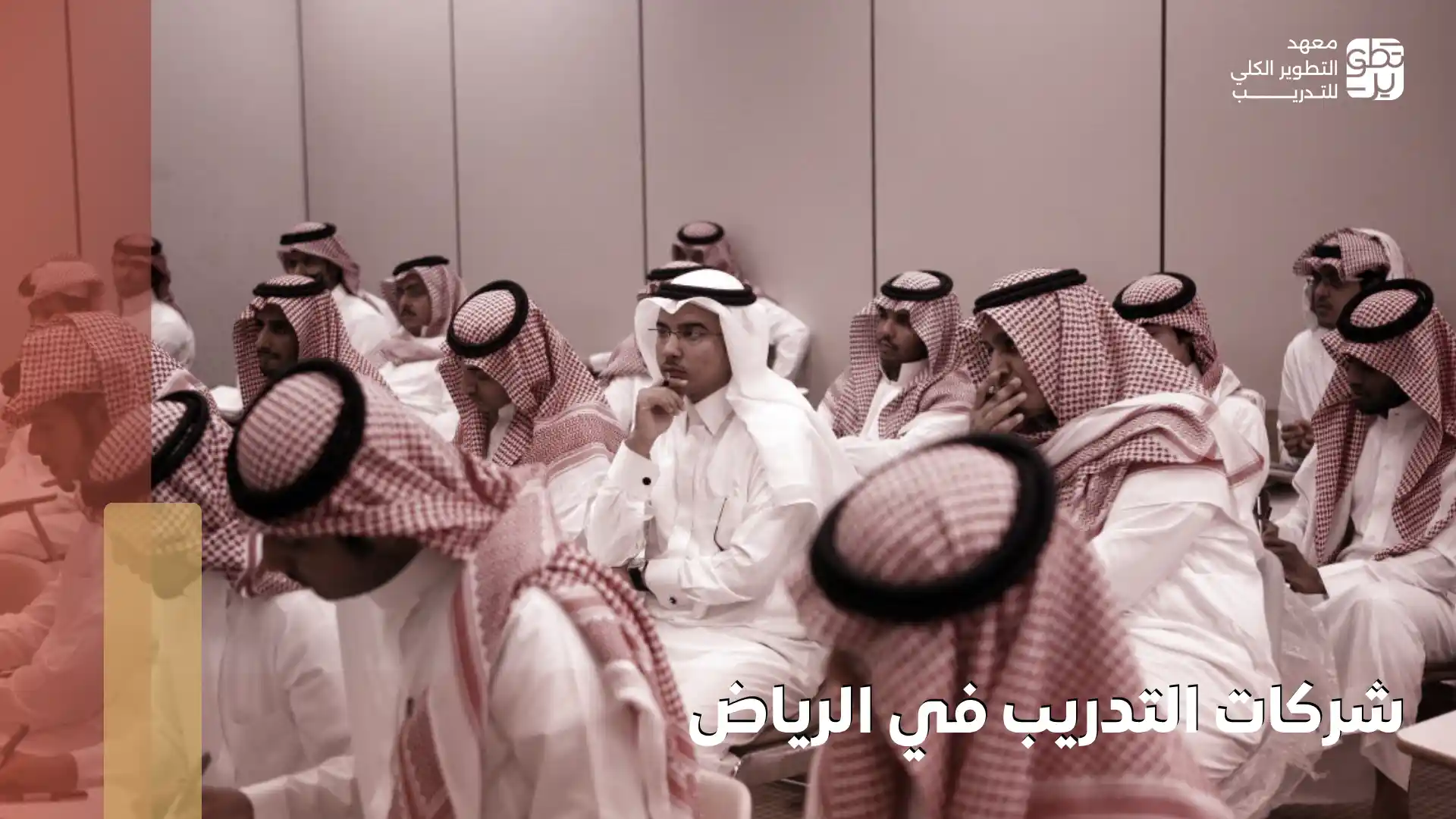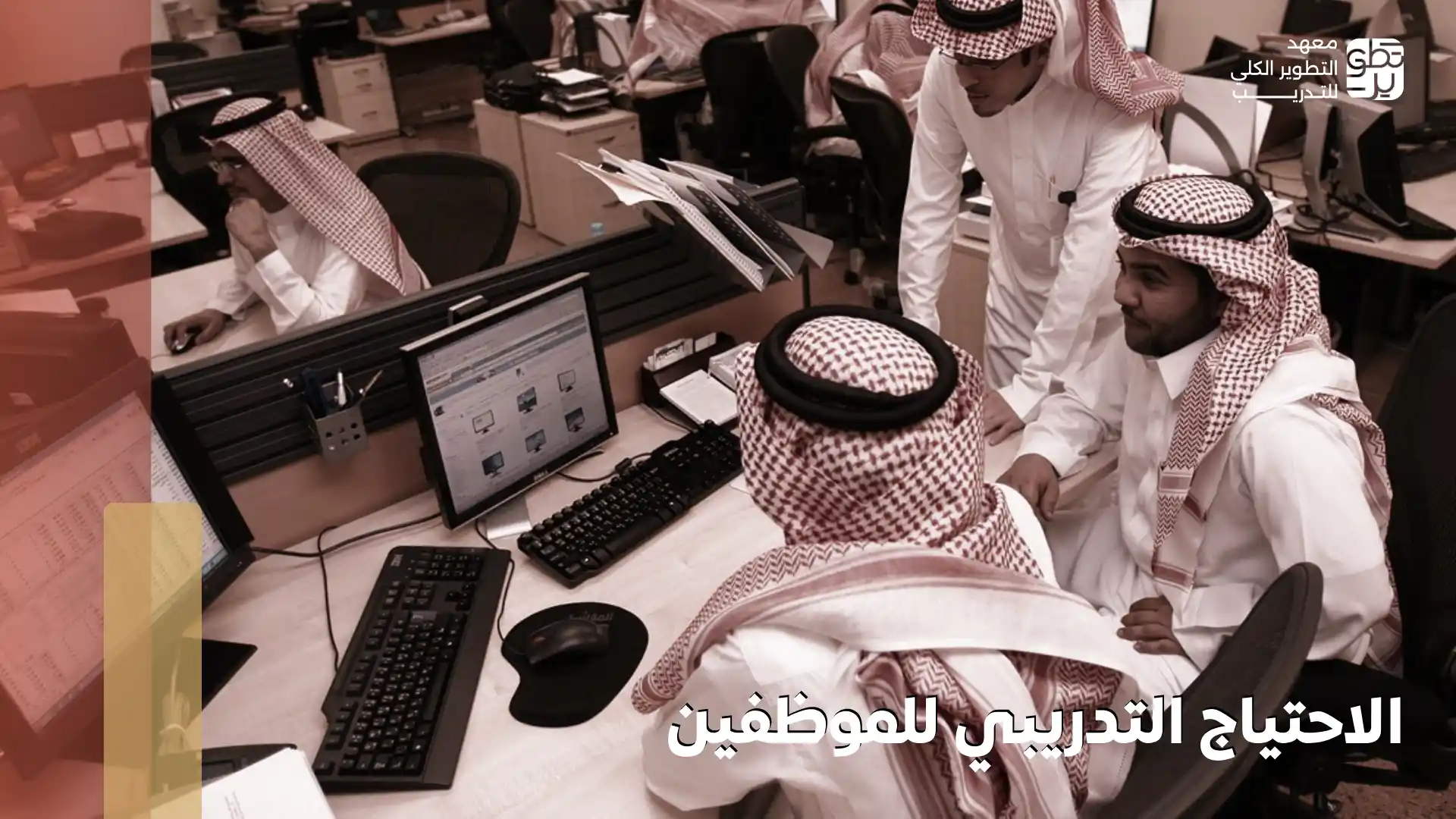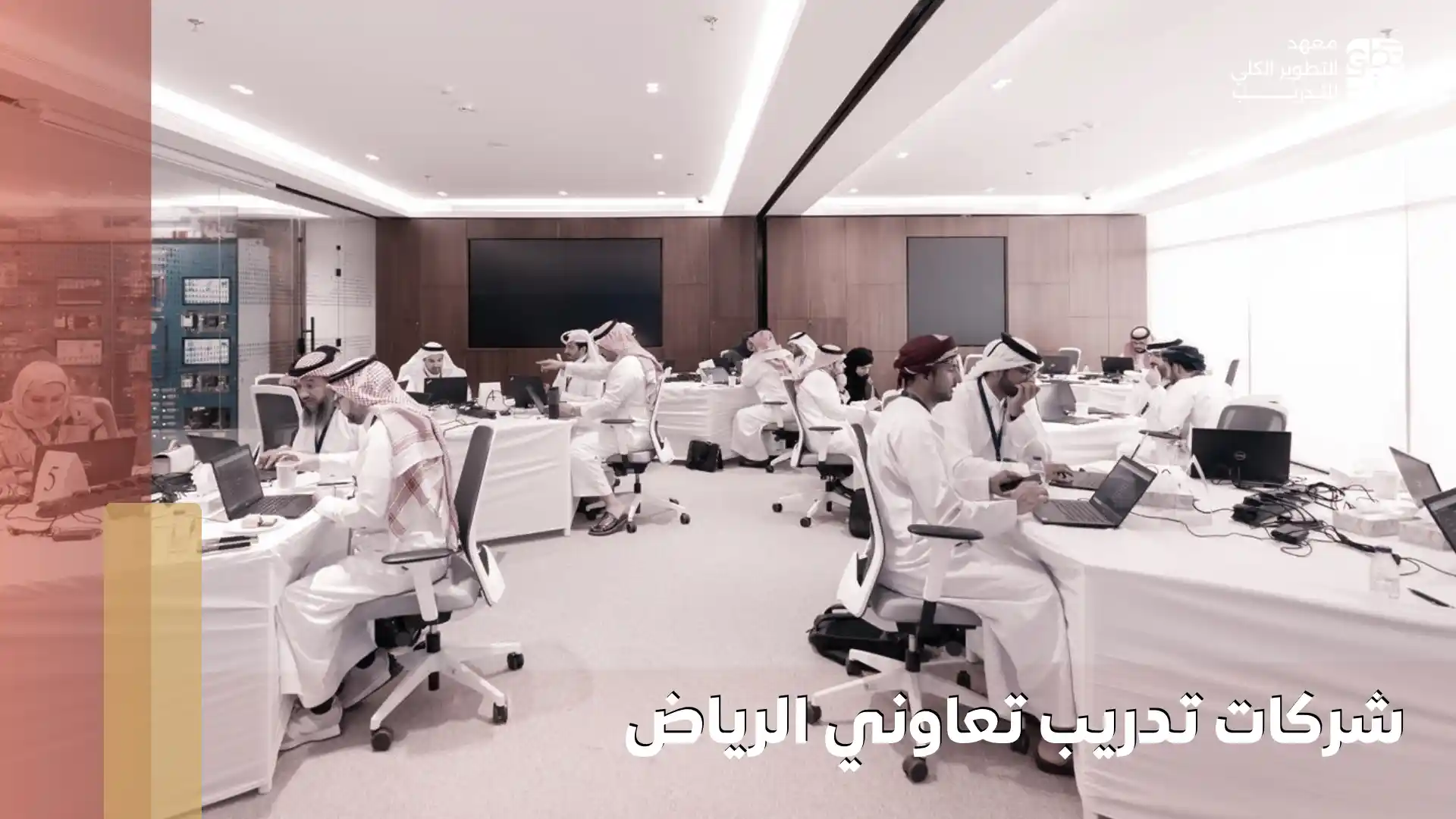
You might not immediately notice the impact of employee training in companies, but in the long run, you'll realize that it's one of the smartest decisions you can make for your business. A well-trained employee is not only more efficient in performing their tasks but also more loyal and stable within the work environment, which directly reflects on the continuity and growth of the company.
If you want to retain talent within your company, increase productivity, and develop your teams' performance, the first step is to provide your employees with real training that develops them professionally and benefits your company in the long run.
However, success in this doesn't just rely on choosing a training course; it depends on selecting the right training partner — an entity with sufficient experience to understand your company's needs, listen to your goals, and build a comprehensive training plan that delivers real results. This is exactly what the MDIT offers, an accredited training provider both locally and globally, specializing in providing employee training solutions for businesses.
In this article, we will discuss the importance of employee training, its types, and the key training courses offered by the MDIT to develop your organization's talents.
What is Employee Training in Companies?
Employee training in companies is a set of activities and educational programs designed to enhance workforce efficiency and develop their skills and abilities in direct alignment with job requirements and company objectives. The employee training process begins the moment they join the company, focusing on providing new employees with the essential knowledge to ensure effective job performance. This process continues throughout their employment, gradually shifting focus towards:
- Improving performance and productivity for current staff.
- Closing any skill gaps that arise with the development of work challenges.
- Preparing qualified employees to take on leadership and management roles.
Among the most important employee training courses that help develop the skills needed in the workplace are those related to enhancing both technical and personal abilities. These courses ensure employees are equipped with the knowledge to handle the latest technologies and develop leadership and communication skills.
Companies strive through this training to achieve better results and higher returns by equipping employees with the knowledge and experience (both technical and personal) that reduce mistakes and increase motivation and productivity, ensuring workforce growth and the achievement of the organization’s overall goals.
Stages of Employee Training Program Preparation in Companies
The process of preparing an employee training program in companies can be summarized in five essential and consecutive stages that ensure both company and employee goals are achieved:
Stage 1: Needs Analysis and Goal Setting
This is the most crucial stage and includes two important steps:
- Identifying Training Needs: This begins by understanding the skills gap in employees or departments, done through various means such as performance evaluations, employee surveys, or reviewing recurring issues at work.
- Setting SMART Goals: It's essential to define clear and measurable objectives for the training. It’s not enough to say "we want to develop employees," specific, achievable goals tied to a timeframe must be set, such as: "Increase the digital sales team’s skills by 20% within 3 months."
Stage 2: Designing the Program and Allocating Resources
After determining "what" we want, we move on to "how" and "with what":
- Defining the Target Group and Content: Identify which employees need the training based on their experience and job level. The course content is then designed in detail and tailored to meet the goals set in the first stage, with the selection of the right trainer and interactive content.
- Allocating Resources: Set the budget required for the program and define the timeline that suits employees while ensuring business operations continue without interruption.
- Choosing Training Mode and Location: Decide on the method of delivering the training, whether in-house, at an institute, or remotely (online), based on the type of skills required.
Stage 3: Effective Implementation and Ongoing Support
This is the stage where the plan is activated and turned into reality:
- Scheduling Courses: Finalize the schedule for the training courses and inform employees.
- Execution and Support: Start delivering the training program, ensuring all tools and resources needed for the trainees are provided.
Stage 4: Immediate Evaluation and Follow-up (Measuring ROI)
To ensure that the training was not just a waste of time and resources, its effectiveness must be measured:
- Monitoring Engagement and Performance: Evaluate employee interaction during the training and their understanding through tests or immediate assessments.
- Measuring Key Performance Indicators (KPIs): After a period (usually 3 months), assess employee performance and compare it to their performance before the training to see the actual change in work quality and productivity.
Stage 5: Ongoing Improvement and Continuity
Training programs are not a one-time process but are ongoing:
- Analyzing Results: Regular reports are generated based on the results of the evaluation (Stage 4) to determine what worked and what needs adjustment.
- Continuous Development: Use this data to make necessary adjustments and improvements to the program’s content or execution mechanisms to ensure future courses are more effective and meet the changing needs of the market and company.
Design your training program now by contacting our experts at the MDIT and receive a free consultation to build customized training solutions that focus on achieving your company’s professional goals.
Types of Employee Training in Companies
Employee training in companies can be categorized into main types, each aimed at developing a specific aspect of the employee's skills or job requirements:
1- Basic Training for New Employees
This type is the first experience an employee faces when joining the company and is divided into two phases:
- Orientation: A brief program aimed at familiarizing the employee with the work environment, logistics, introducing colleagues and managers, and giving an overview of their role and responsibilities.
- Onboarding: A more in-depth process that lasts for several weeks or months, aimed at fully integrating the new employee into the company’s culture, explaining their tasks in detail, and how their role fits into the company’s larger organizational structure.
2- Technical and Job-Specific Training
This type focuses on developing the knowledge and abilities necessary to perform the job successfully:
- Product/Service Training: Provides employees (especially sales and customer support teams) with detailed knowledge of the company’s products or services, enabling them to answer customer queries confidently and accurately.
- Technical/Hard Skills Training: Includes programs that teach employees how to use the tools and technologies necessary for their work, such as handling advanced software, data analysis, or learning new programming languages.
3- Development and Managerial Training (Soft Skills and Leadership)
Aimed at developing the employee's personal and managerial aspects:
- Soft Skills Training: Focuses on the personal qualities necessary for effective interaction in the workplace, such as effective communication, active listening, emotional intelligence, and conflict resolution, improving teamwork.
- Management/Leadership Training: Designed for current leaders or potential future leaders, developing their abilities to make strategic decisions, manage change, guide teams, and build future leaders within the company.
4- Compliance and Health and Safety Training (Mandatory Training)
This type of training ensures the company complies with laws and regulations:
- Compliance Training: Programs designed to educate employees on the internal and external rules governing the company’s work. This includes training on work ethics, data protection policies (cybersecurity), and how to handle harassment or misconduct.
- Health and Safety Training: Essential to maintaining a safe work environment, this training covers emergency procedures, workplace safety (OSHA), and how to use protective equipment.
The Importance of Employee Training in Companies: A High-Return Investment
Employee training is considered a long-term investment, not just a cost. Although the cost of training may seem high, the return on investment is incomparable. The importance of employee training is evident in:
- Continuously updating employee knowledge and skills to keep up with rapid changes in the labor market and modern technologies (such as computer skills and software).
- Reducing errors and minimizing the time spent on tasks, which positively impacts the productivity of employees and company profits overall.
- Training serves as a direct and effective solution to address any shortcomings or development needs identified in periodic performance evaluations.
- It helps prepare employees for higher positions and greater responsibilities.
- When a company invests in training its employees, they feel valued and confident in their abilities, knowing the company is committed to their professional development.
This direct investment in employees improves morale and job satisfaction, which increases employee loyalty to the company and reduces turnover rates.
Training courses for employees include improving morale and job satisfaction, which increases employee loyalty to the company and reduces turnover rates.
Forms of Employee Training Programs in Companies
Employee training in companies is not limited to a single method. Rather, it takes various forms aimed at achieving the maximum possible benefit through a balance between theoretical learning and practical application. The diversity of these formats reflects companies’ efforts to meet both individual and group needs effectively. Training methods are divided into two main tracks:
- On-the-Job Training: This is a practical and direct approach through which employees acquire skills while performing actual tasks. It includes individual coaching, professional mentoring, and job rotation, which provides multidimensional experience.
- Off-the-Job Training: This track includes structured learning in a separate environment, such as traditional workshops and lectures. Digital tools such as e-learning, simulation platforms, and virtual reality have become dominant, as they provide great flexibility and an interactive, customizable learning experience.
Adopting a blended learning strategy, which combines the practical application of on-the-job training with the flexibility of digital tools, ensures a comprehensive and effective training program that keeps pace with rapid changes in the business environment.
Components of an Employee Training Plan in Companies
An employee training plan is a strategic document that organizes the development process from start to finish. It is essential for ensuring that training budgets are turned into investments with real and measurable returns. A successful training plan consists of the following systematic elements:
- Training Needs Analysis (TNA): Identifying the gap between current performance and the required level. This is done through skills assessments, interviews, and job performance analysis to determine the core topics.
- Setting SMART Goals: Establishing measurable objectives, such as “increasing customer satisfaction rates by 10%.” These goals must be directly linked to the company’s strategic objectives.
- Curriculum Design and Method Selection: Developing the training content, choosing the most suitable delivery methods such as classroom sessions, e-learning, or simulation, and identifying trainers and technical resources.
- Implementation and Scheduling: Defining the budget, assigning employees to programs, and creating a clear timetable with deadlines for completing the training modules.
- Evaluation and Follow-up: Using a variety of assessment tools, such as pre- and post-tests, reaction surveys, and reviewing job performance indicators, to measure the actual impact of training on work performance.
Working through these components step by step ensures that the plan is both practical and flexible, enabling the company to respond to market changes with high levels of skill and competence.
The Difference Between an Employee Training Program in Companies and a Training Plan
Although these two terms may seem interchangeable, they represent two different levels of planning and implementation in the field of human resources, and distinguishing between them is essential for strategic clarity. They can be differentiated as follows:
- Training Plan: This is the comprehensive strategic document that defines the company’s long-term vision for learning and development, usually for a year or more. The plan identifies the key areas of focus, the overall budget, and the major objectives to be achieved at the departmental and company-wide levels.
- Training Program: This is the concrete execution activity or individual training course delivered to achieve a specific objective within the training plan. It focuses on the details of the content, delivery methods, session duration, and trainer selection for one specific course, such as a three-day training program on “Project Management.”
The plan is the vision and direction, deciding what will be taught, while the program is the practical execution tool that answers how the training will be delivered. Therefore, a program cannot exist or succeed without a strategic plan guiding it.
Challenges of Employee Training in Companies and How to Overcome Them
For employee training in companies to achieve maximum effectiveness, companies must clearly identify the common challenges that hinder the successful implementation of training programs and work on developing proactive solutions for them.
The most important challenges and ways to address them are:
- Challenge One: Employee Resistance and Limited Time
Many employees see training as wasted time or an additional burden. This can be addressed by linking training to career advancement and financial incentives, and by using microlearning, which delivers content in very short modules of 3–5 minutes that can easily be completed during the day. - Challenge Two: Difficulty Measuring Return on Investment (ROI)
There may be an inability to determine whether the money spent on training has actually improved performance. This can be addressed by applying rigorous evaluation models, such as the Kirkpatrick Model, and measuring key performance indicators (KPIs) before and after training to directly connect performance improvement to the program. - Challenge Three: Failure to Transfer Knowledge to the Workplace
An employee may acquire the skill in the training room but fail to apply it to daily tasks. This can be addressed by designing training programs based on the real challenges the company faces and by providing ongoing support after training through mentoring sessions or by creating professional learning communities.
By turning these challenges into opportunities for innovation in training and evaluation methods, companies can ensure that employee development remains a strategic investment that enhances their competitiveness and long-term success.
Is Your Company Looking for a Training Partner to Train Employees?
At the MDIT, we offer strategic training solutions tailored specifically to develop employee performance and enhance their skills in line with your operational goals. We provide integrated training experiences that combine internationally recognized accreditations, certified trainers' expertise, and the latest blended and digital learning techniques, ensuring measurable real-world results.
The training programs offered by the MDIT to develop employees are accredited by the General Organization for Technical Education and Vocational Training.
If your company is looking for accredited employee training programs to qualify talent and raise efficiency in the work environment, we offer a comprehensive range of courses covering various specializations and levels, including:
1- Specialized Professional Diplomas
Long-term programs aimed at qualifying employees in the most in-demand fields in the Gulf job market, including:
- Business Administration Diploma
- Human Resources Diploma
- Cybersecurity Diploma
- Financial Accounting Diploma
- Marketing Diploma
- Supply Chain Management Diploma
- Corporate Governance Diploma
- Artificial Intelligence and Data Analysis Diploma
2- Management and Leadership Programs
These programs focus on preparing leaders and managers to develop their skills in:
- Crisis Management and Decision Making
- Strategic Leadership
- Planning and Change Management
- Performance Management
3- Professional Development
Courses aimed at improving personal and professional performance for employees, either remotely or in-person, including:
- Time Management
- Effective Communication
- Presentation and Public Speaking Skills
- Emotional Intelligence
- Critical Thinking
4- Human Resources Programs
Targeted at HR teams to develop administrative competencies and organize internal work, such as:
- Recruitment and Talent Selection
- Performance Evaluation
- Employee Relations
- Compensation and Benefits Systems
5- Information Technology
To empower your employees to keep up with digital transformation, we offer advanced courses in:
- Cybersecurity
- Database Management
- Software Development
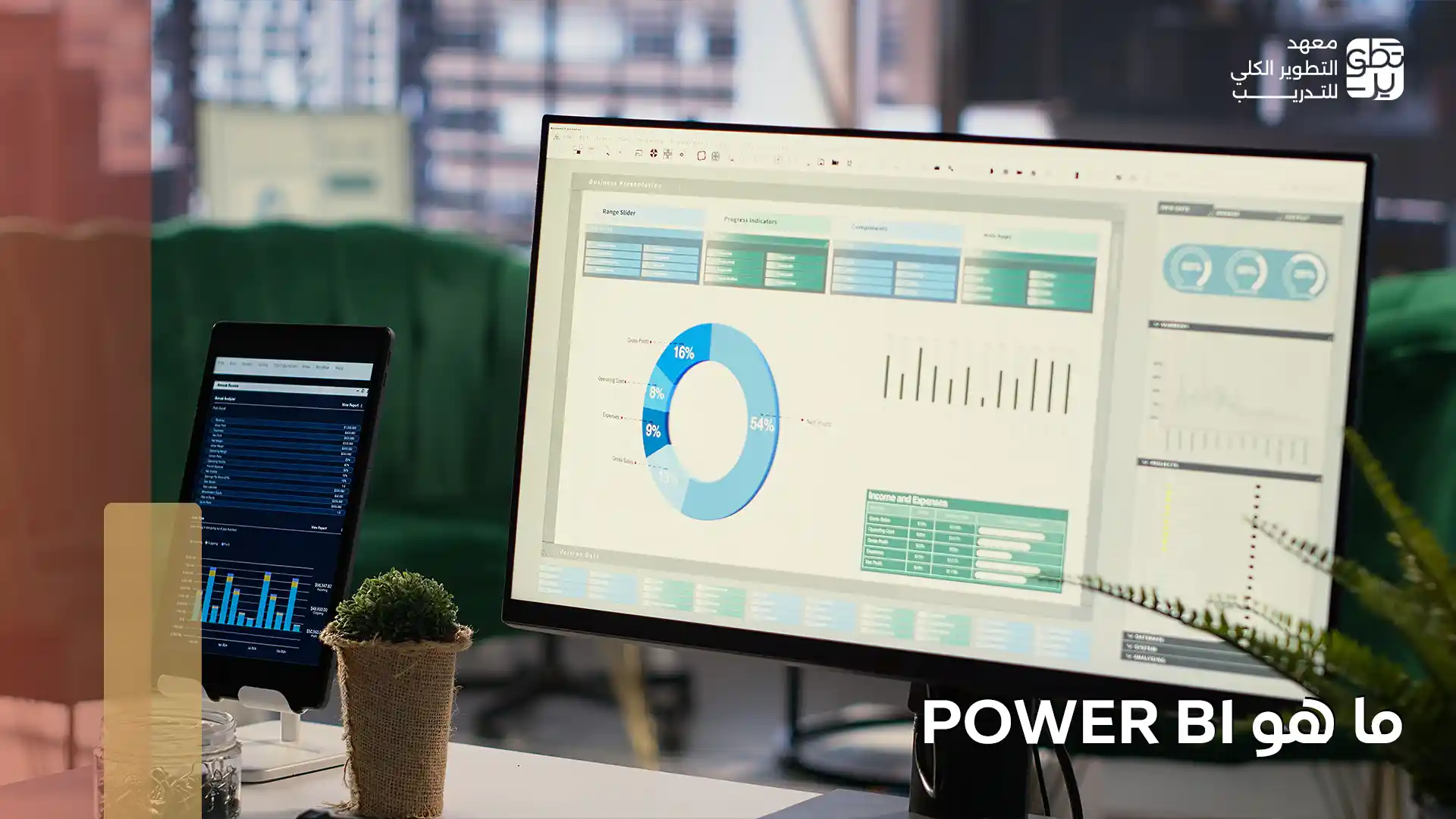
- Data Analysis using Power BI
- Cloud Computing
6- Marketing and Sales
To enhance the capabilities of your marketing and sales teams in a fast-paced competitive environment, including:
- Digital Marketing and Content
- Customer Relationship Management (CRM)
- Consultative Selling Skills
- Corporate Identity Building
7- Train the Trainer (TOT)
The TVTC employee training system to prepare qualified internal trainers within your organization through courses such as:
- Designing Training Packages
- Engaging with Trainees
- Training Impact Assessment
8- Accounting and Finance
Practical programs to develop the skills of financial and accounting teams in:
- Budget Preparation
- Managerial Accounting
- Financial Analysis
- Financial Reporting and Statements
9- English Language Training
Progressive courses for your employees to enhance their language proficiency, including:
- Workplace Conversation
- General English
At the MDIT, we believe in the importance of employee training and recognize that every organization’s needs are unique. Therefore, we are ready to be your partner in your company’s employee training journey by providing customized training solutions using the latest tools and techniques to ensure achieving your company’s organizational goals. Contact us now or fill out the registration form.
Frequently Asked Questions
What are the forms and methods of training?
Training methods are divided into on-the-job training (in the actual work environment) and off-the-job training (in separate classrooms or online).
What are examples of on-the-job training?
Examples of on-the-job training include one-on-one mentoring, coaching, job rotation, and professional training while on the job