business continuity, performance quality, and asset safety. This system is professionally led by Facilities and Operations Management. With the rapid pace of urban and technological development in Saudi Arabia and the Gulf countries, the Facilities and Operations Management course has become one of the most sought-after training paths for those aspiring to build a stable career based on competence and practical knowledge rather than individual effort alone.
Facilities management is no longer limited to maintenance and operations; it has evolved into a strategic role that combines planning, resource management, decision-making, and achieving financial and operational sustainability for organizations. Hence, the importance of proper professional qualification and obtaining a Facilities Management certification that reflects the holder’s ability to handle daily challenges and organizational changes in a professional and structured manner.
In this article, we explore the concept of the Facilities and Operations Management course, its importance in the labor market, the skills and knowledge it provides, its core modules, and the target groups that can benefit from it, in addition to the career opportunities available after obtaining a professional certification in this field. We also outline the criteria to help you choose the course that best suits your career path, and why MDIT programs are a reliable choice for anyone seeking true excellence in facilities and operations management.
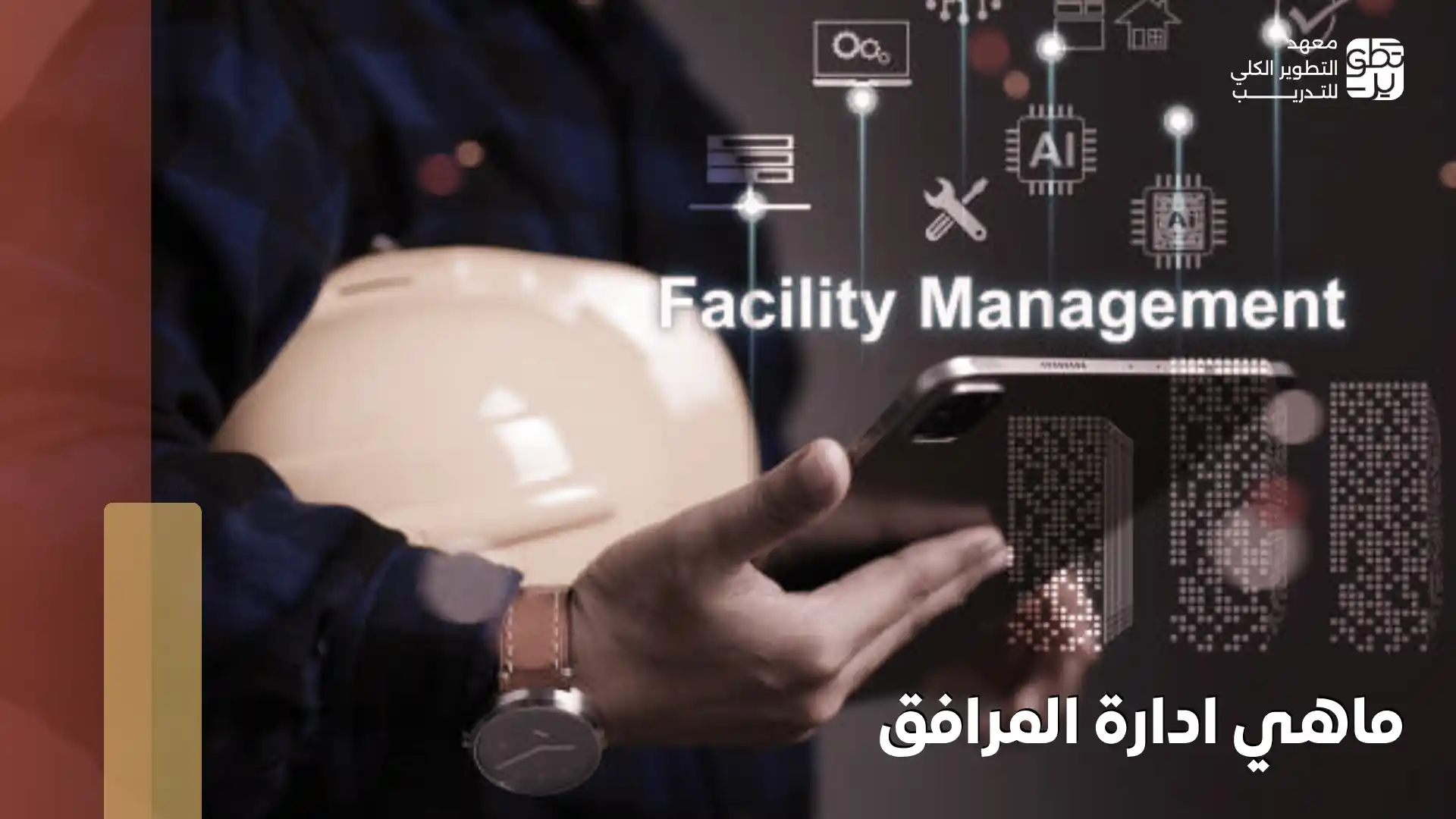
What is the Facilities and Operations Management Course?
The Facilities and Operations Management course is a specialized management program aimed at qualifying personnel capable of managing buildings and facilities efficiently by integrating operational, administrative, and financial aspects into a comprehensive framework that supports asset sustainability and enhances organizational performance. This course becomes increasingly important given the expansion of government and private institutions and the growing reliance on complex infrastructures that require precise professional management.
The course focuses on enabling trainees to understand the true role of facilities management within an organization, considering it as a business-supporting function rather than just an operational task. Trainees learn how to coordinate maintenance, operations, planning, and safety to ensure continuity of work, reduce costs, and maximize resource utilization.
Additionally, this course serves as a fundamental gateway for those wishing to eventually obtain an accredited Facilities Management certification, providing the foundational knowledge and practical experience needed to build a strong career path in this growing field.
What are the Objectives of the Facilities and Operations Management Course?
The Facilities and Operations Management course aims to equip participants with the knowledge and skills necessary to manage and operate buildings and facilities efficiently. The course objectives include:
- Developing the ability to organize and maintain facilities and assets.
- Enhancing resource utilization.
- Ensuring compliance with safety and quality standards.
- Understanding strategic facilities planning.
- Controlling costs.
- Managing technical teams.
- Using modern technologies to monitor performance and achieve sustainability.
Ultimately, the course enables participants to make sound decisions that enhance facility efficiency and support the overall objectives of the organization.
Importance of the Facilities and Operations Management Course
The importance of the Facilities and Operations Management course stems from its direct impact on one of the most influential aspects of organizational efficiency—managing assets, buildings, and business-supporting services. Ineffective facilities management can lead to higher costs, recurring breakdowns, and reduced safety and quality levels. The benefits of enrolling in this course include:
- Enhancing building and systems operational efficiency and reducing unexpected failures.
- Improving preventive and operational maintenance for asset sustainability.
- Supporting administrative and financial decision-making based on accurate data and analysis.
- Strengthening adherence to safety, quality, and sustainability standards.
- Preparing trainees to transition from operational roles to supervisory and leadership positions.
The course also increases career opportunities, particularly with the growing demand in Saudi Arabia and the Gulf for certified facilities managers with comprehensive knowledge of modern facilities management.
What Will You Learn in the Facilities and Operations Management Course? Core Skills and Knowledge
The course provides trainees with an integrated set of skills and knowledge that enable professional facilities management, emphasizing practical application and decision-making in real work environments. Key learning outcomes include:
- Understanding the fundamental concepts of facilities management and its role in supporting organizational objectives.
- Analyzing strategic options related to facility management and making informed decisions.
- Developing engineering designs and operational plans based on best practices.
- Managing maintenance and operations efficiently to reduce costs and enhance performance.
- Using capital budgeting concepts and techniques in facilities management.
- Planning for disaster recovery and managing facility-related risks.
This knowledge forms the foundation for any professional seeking an accredited Facilities Management certification and a sustainable career in the field.
Core Modules of the Facilities and Operations Management Course and Key Areas Covered
The modules of the Facilities and Operations Management course are designed systematically to ensure comprehensive coverage aligned with labor market needs. They include:
- A comprehensive introduction to facilities management and its basic concepts.
- Key facilities management activities and their role in daily operations.
- Strategic facilities planning aligned with organizational objectives.
- Engineering design and planning of buildings and facilities.
- Maintenance and operations management following global best practices.
- Outsourcing and management of service provider contracts.
- Financial management of facilities, including cost and return analysis.
These modules help trainees build an integrated vision of facilities management and equip them to handle operational and financial challenges professionally and flexibly, preparing them for accredited certification.
Target Audience for the Facilities and Operations Management Course
The course targets a wide range of professionals seeking to develop their skills or transition into facilities management, whether at the beginning of their careers or with prior experience. Key target groups include:
- Facility managers seeking to enhance their professional expertise.
- Professionals in engineering, safety, or design fields.
- Maintenance and operations officers in government and private institutions.
- Service providers related to buildings and equipment.
- Recent graduates interested in facilities management careers.
- Professionals aiming to obtain an accredited Facilities Management certification in the future.
The diversity of the target audience demonstrates the course’s flexibility and its ability to meet multiple labor market needs.
Career Opportunities After Obtaining a Facilities Management Certification
Obtaining a Facilities Management certification opens wide career opportunities across key sectors, particularly with the urban expansion and major projects in Saudi Arabia and the Gulf. Career paths include:
- Facilities management in government and private institutions.
- Supervising maintenance and operations in large facilities.
- Managing contracts and service providers.
- Managing building and infrastructure-related projects.
- Working in facilities management and integrated services companies.
- Career advancement to leadership positions such as Facility Manager or Asset Manager.
These fields are among the most stable and growing in today’s job market and can be accessed through accredited training institutes in Riyadh.
Criteria for Choosing the Best Facilities and Operations Management Course for Your Career
Selecting the right Facilities and Operations Management course is a pivotal step in building a successful career. Key criteria include:
- Comprehensive content covering operational, financial, and strategic aspects.
- Official accreditation of the course and certification from reputable authorities.
- Focus on practical application and real-world case studies.
- Training provider experience in facilities management programs.
- Flexibility of training mode, whether in-person or online.
- Alignment with professional facilities management certification requirements.
Adhering to these criteria allows trainees to make an informed decision positively impacting their professional future.
Why Choose the Professional Facilities Management Certification Course at MDIT?
Enrolling in the Professional Facilities Management Certification course is not just about learning theoretical concepts; it is an investment in your career, especially with the program offered by MDIT. The course is designed to meet Saudi and Gulf market requirements and follows global best practices.
Through the Fundamentals of Facilities Management course, trainees gain a complete training experience focusing on practical application, leadership skills, and linking academic knowledge to real professional scenarios, directly enhancing performance and decision-making in the workplace.
Advantages of the Professional Facilities Management Certification Course
- Comprehensive training content covering operational and strategic aspects of facilities and operations management, from maintenance and operations to strategic planning and leadership.
- Strong focus on practical and applied learning through real-world examples and case studies simulating workplace challenges.
- Structured program helping trainees acquire decision-making, resource management, operational efficiency, and cost-reduction skills.
- Professional qualification aligned with modern job requirements, enhancing chances for leadership roles in facilities management.
- Obtaining an accredited Facilities Management certification, adding significant value to the CV and supporting long-term career growth.
These advantages make the course suitable for professionals aspiring to transition from operational roles to planning and professional management.
Advantages of MDIT and Why Choose It
MDIT the best training center in Riyadh, stands out as a true professional partner in skill development, not just a provider of training programs. The institute:
- Holds official accreditation from relevant authorities, granting certificates credibility and professional weight in the job market.
- Provides trainers with real field experience in management and operations.
- Offers training programs tailored to Saudi and Gulf market needs, considering modern organizational and operational changes.
- Uses an interactive training approach integrating explanation, discussion, and practical application.
- Provides continuous support to trainees before, during, and after training, helping them apply what they have learned professionally.
Choosing MDIT is a decision based on quality, accreditation, and expertise, forming a well-planned step toward building a strong career in facilities and operations management.
In conclusion, success today is no longer solely based on traditional experience but on professional knowledge and specialized qualification. Enrolling in the Facilities and Operations Management course is a pivotal step for anyone seeking to develop skills, enhance strategic decision-making, and open wider career opportunities in one of the most in-demand fields. With the Professional Facilities Management Certification, you will be better prepared to meet modern organizational requirements and add real value to the workplace.
If you aim to elevate your career to a higher level and build a future based on professionalism and competence, MDIT offers carefully designed training programs to meet market needs and support your professional development with confidence.
Contact MDIT, one of the accredited institutes by the Technical and Vocational Training Corporation, explore available training opportunities, and start your journey toward excellence in facilities and operations management with well-planned and accredited steps.
Frequently Asked Questions
Is the Facilities and Operations Management course suitable for beginners?
Yes, the course is designed for beginners and those looking to enter the field, as well as for experienced professionals aiming to develop their skills in a professional and organized manner. The content starts with fundamentals and gradually progresses to advanced concepts in facilities management.
What is the difference between the Facilities and Operations Management course and traditional engineering courses?
The course focuses on the administrative, operational, and strategic aspects of managing buildings and services, while engineering courses typically focus only on technical aspects. This course provides a comprehensive view combining management, planning, maintenance, and leadership.